A practical example
We could build a customer area where each client sees only their documents and request status, while staff manage incoming work from their own screen.

Online tools that let customers and teams get things done.
A web app is software you use through a browser. Unlike a presentation website, it lets people work with information: submit requests, manage bookings, approve documents or view their account.
Discuss a project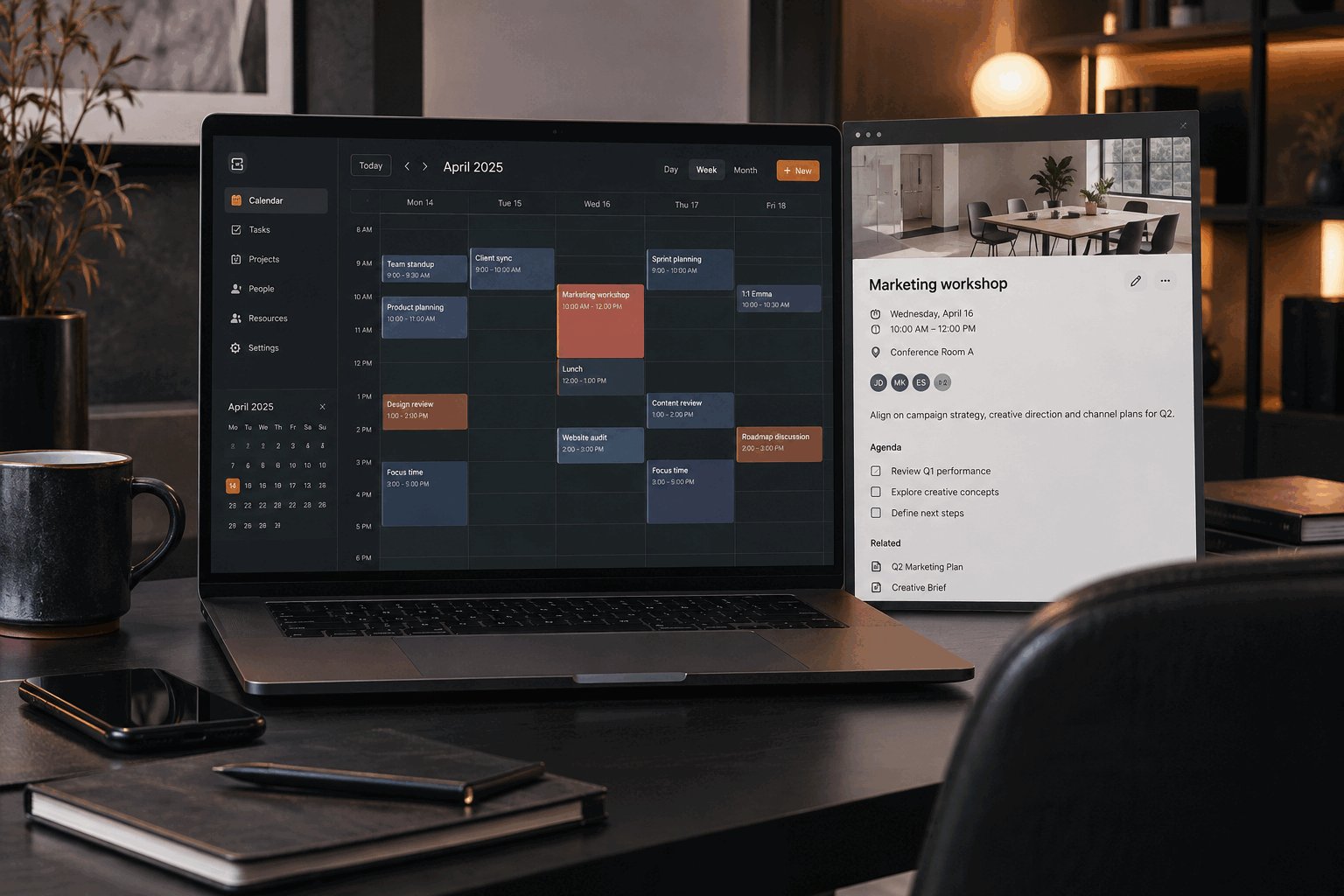
We could build a customer area where each client sees only their documents and request status, while staff manage incoming work from their own screen.
Useful when email and spreadsheets no longer keep everyone up to date. We agree user roles, permissions and the exact actions each person can take.
The specific deliverables are confirmed in your project proposal.
We define your audience, priorities and practical requirements before proposing a solution.
Design and development move together, with clear milestones and feedback throughout the work.
We test before launch and agree how support, measurement and future improvements will be handled.
Yes, where supported interfaces and access are available. We review authentication, data formats and update frequency before defining the integration.
After an initial discussion, we define priorities, deliverables, dependencies and approvals. The proposal sets out the scope, stages and fee before work begins.
Yes. We agree roles, system access and communication so responsibilities and coordination are clear.
A description of your goal, the tools you use and the main constraints. You do not need a finished technical specification.
A website primarily presents information; a web app typically lets users complete tasks and manage data. Many products combine both, so the distinction follows the required behaviour rather than a fixed technology.
Yes, when designed for it. Access checks must be enforced on the server for each protected action and record. Hiding a button in the interface alone does not protect data.
We can design the main workflows for mobile browsers. Dense tables or complex editing may need a different interaction pattern, so we agree what must be comfortable on smaller screens.
Yes. We can define a usable first release around essential workflows. Deferred features are kept explicit, and the initial release still needs appropriate validation, permissions and error handling.