A practical example
A customer could book an appointment and receive a reminder; a technician could record a completed visit and attach photos. These are possible uses, not features automatically included in every app.

Apps for customers or staff, on iPhone and Android.
We design and develop mobile apps for tasks people repeat on their phones: bookings, orders, account access or work in the field. We build the screens and connect them to the data and management tools the app needs.
Discuss a project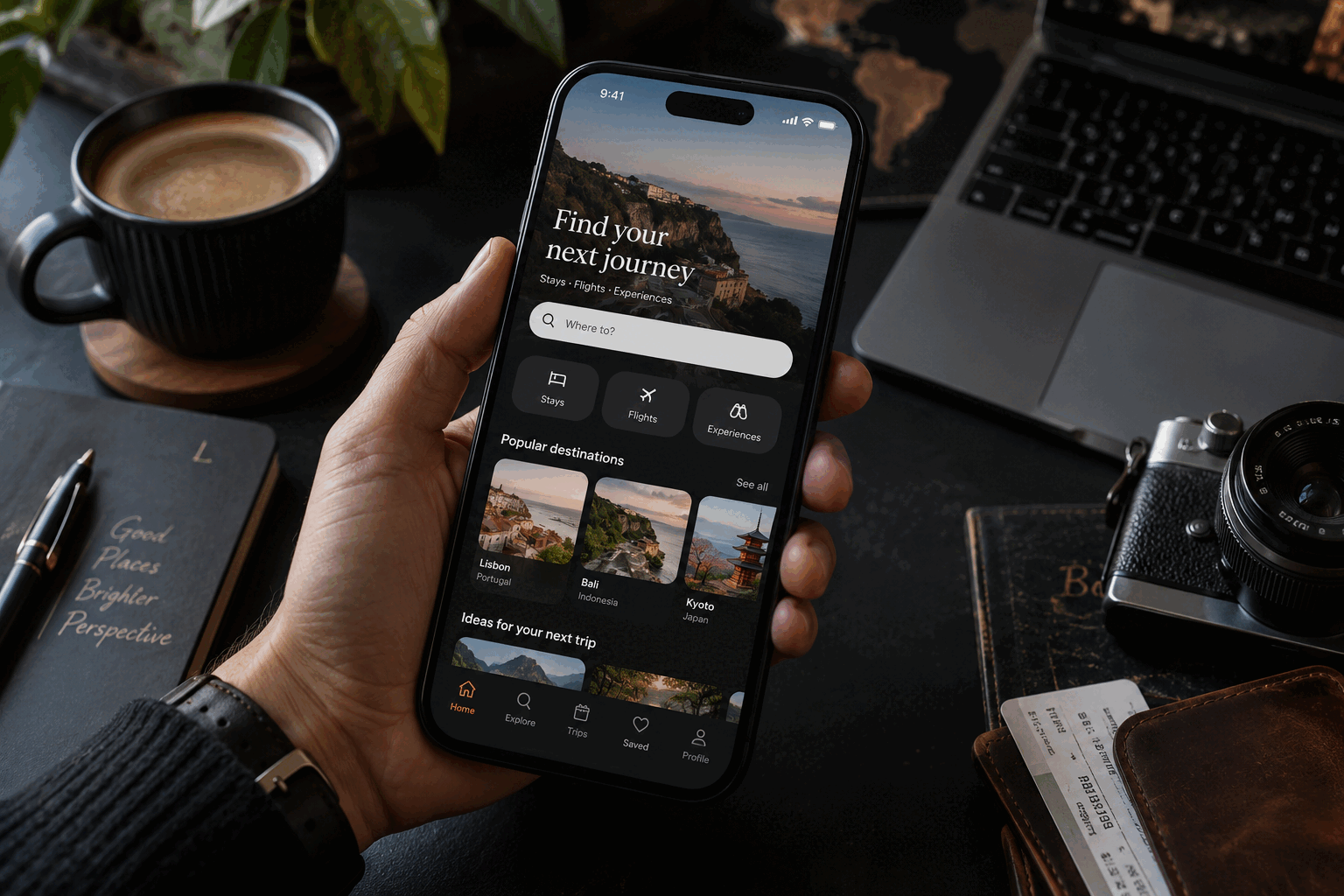
A customer could book an appointment and receive a reminder; a technician could record a completed visit and attach photos. These are possible uses, not features automatically included in every app.
An app makes sense for frequent use or phone-specific features. We also assess whether a responsive website would do the job. Store review, accounts and ongoing updates are planned separately.
The specific deliverables are confirmed in your project proposal.
We define your audience, priorities and practical requirements before proposing a solution.
Design and development move together, with clear milestones and feedback throughout the work.
We test before launch and agree how support, measurement and future improvements will be handled.
Not always. The right approach depends on performance, device features, budget and maintenance needs. We compare shared and platform-specific development against those requirements.
After an initial discussion, we define priorities, deliverables, dependencies and approvals. The proposal sets out the scope, stages and fee before work begins.
Yes. We agree roles, system access and communication so responsibilities and coordination are clear.
A description of your goal, the tools you use and the main constraints. You do not need a finished technical specification.
No. Apple and Google review submissions under their own policies. We prepare the app and required materials, but review decisions and timing remain with the platform.
Some functions can be designed for offline use. We define what is stored locally and how changes are synchronised later, including conflicts. Features that require live server data may still need connectivity.
They need implementation, platform configuration and user permission where required. We plan useful notification events and preferences rather than assuming every user will enable them.
The account holder and access responsibilities are agreed at the start. Publishing under business-controlled accounts can make future updates and changes of collaborators easier to manage.